Keeping Our Reserves Beautiful: Chinese Community Engagement Workshop at Murphys Bush
-
by
Nigel Zhang
- No Comments on Keeping Our Reserves Beautiful: Chinese Community Engagement Workshop at Murphys Bush
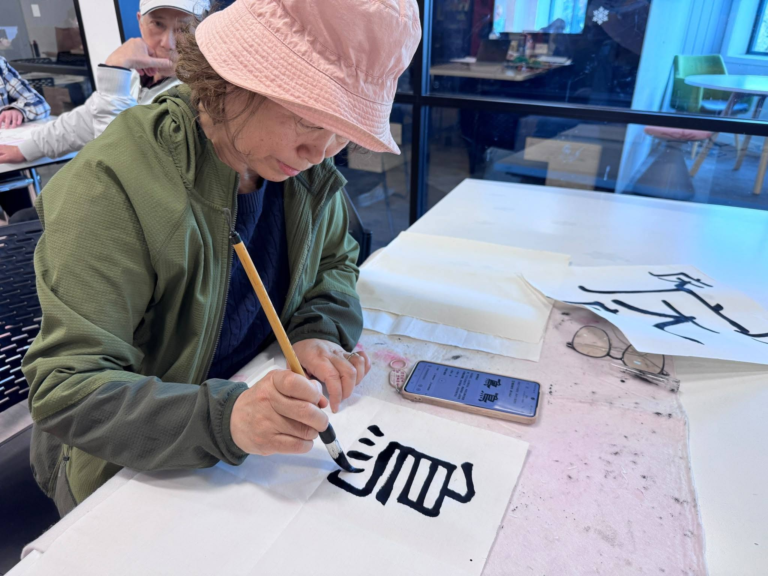
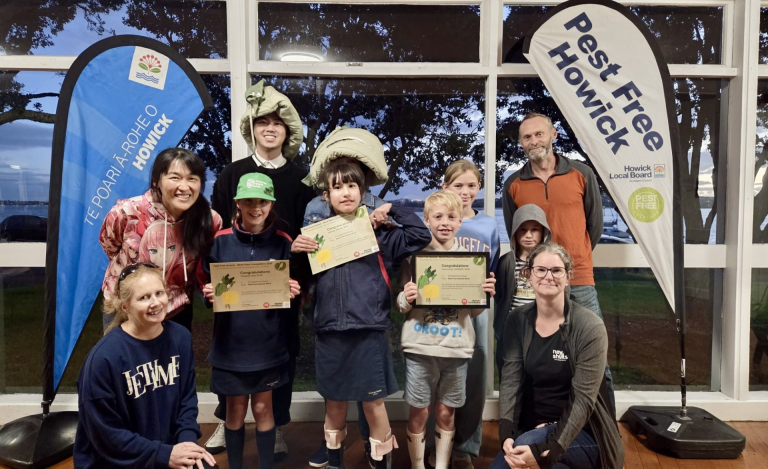
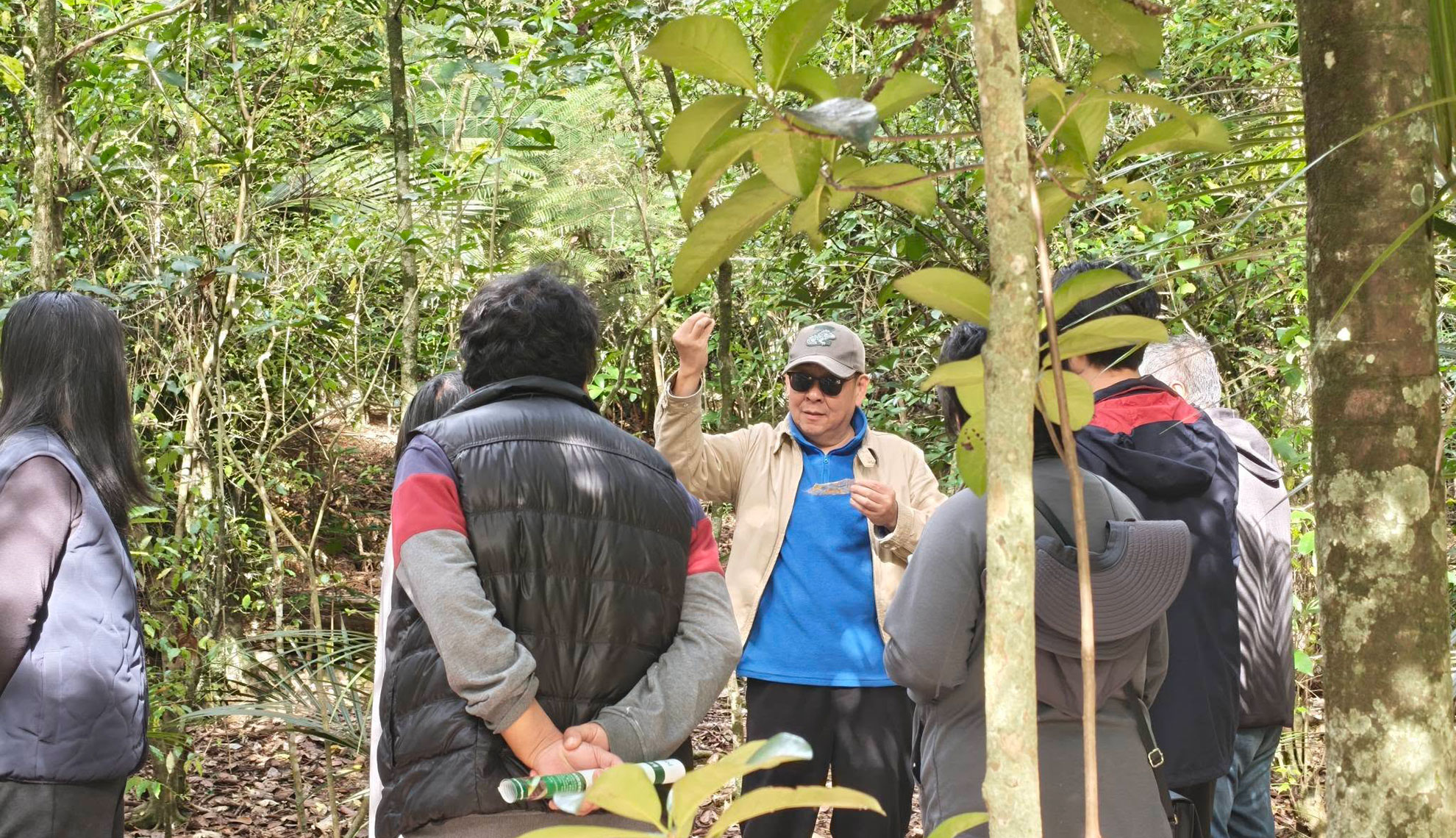
On Friday, 22 May, we hosted a fantastic Chinese Community Engagement Workshop at the beautiful Murphys Bush Reserve. It was wonderful to see so many passionate community members join us to learn more about our local environment, biodiversity, and how we can protect it together.
We were also privileged to have our local board Deputy Chairperson, Kai Zeng, participate and support this meaningful community initiative.
🔍 Spotting the Threats & Learning from Success
The workshop focused on understanding the delicate balance of our native ecosystems and the threats they face:
- Understanding the Impact: Ben Zhang introduced the significant damage caused by invasive pest species to our native flora and fauna, highlighting why active community pest control is so crucial.
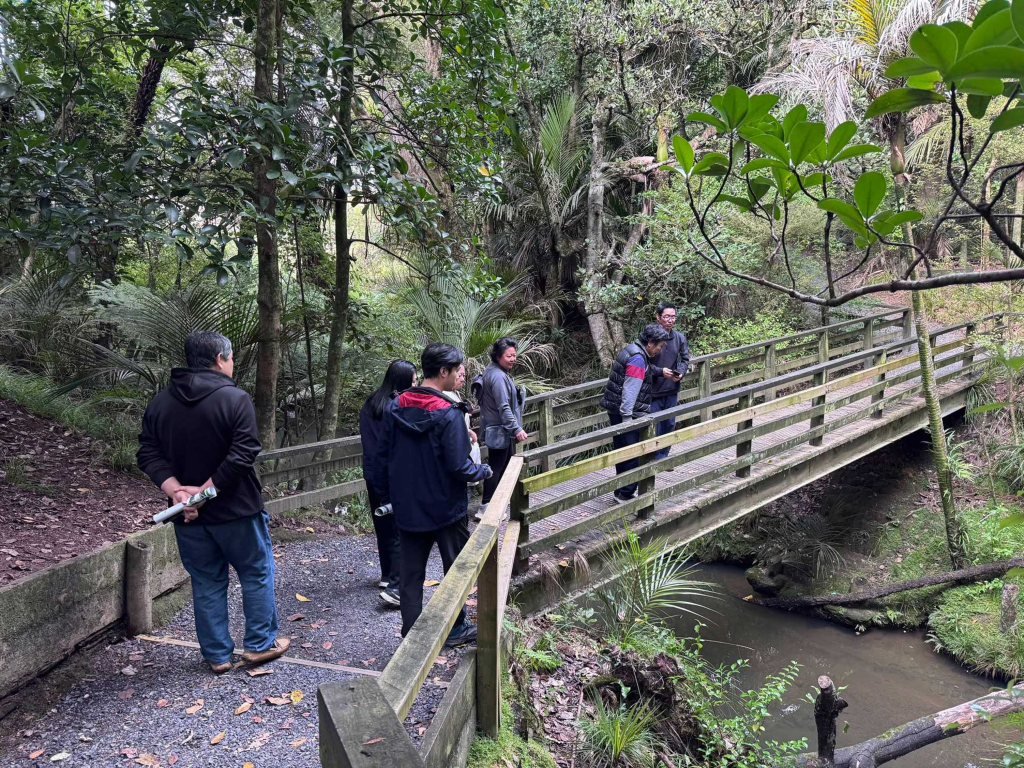
- A Vision of Success: Nigel led a guided walk to show everyone what a healthy ecosystem looks like, using sections of Murphys Bush where pest control has been highly successful as a prime example.
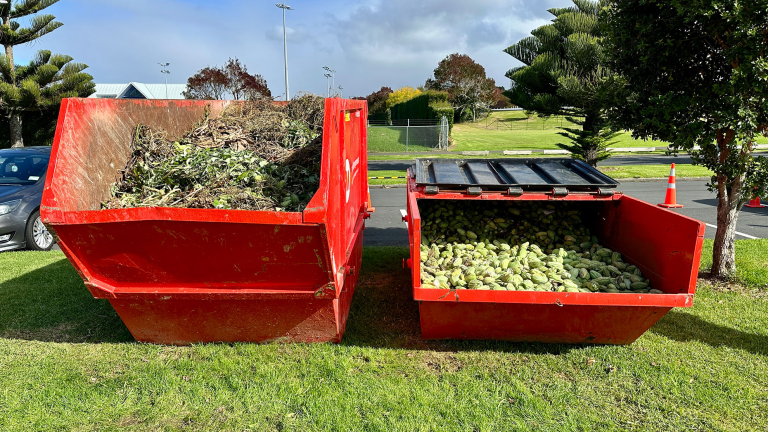
- The Edge Effect: During our walk, we identified invasive weed species—such as Woolly Nightshade—growing along the margins of the reserve. This served as a vital reminder that our backyard weeds can easily creep into protected conservation areas if left unchecked.
“Only when we protect and maintain a healthy environment can biodiversity truly thrive.”
🐦 Discovering Local Biodiversity
As we explored the native bush, the forest rewarded us with some incredible sights! The group spotted various wild mushrooms and enjoyed close encounters with several beautiful native bird species, including: kāhu (swamp harrier), kererū (New Zealand Pigeon), piwakawaka (New Zealnad fantail).
🌳 Coastal vs. Lowland Rainforests
To round out the educational experience, the group learned about the distinct differences between lowland rainforests (like Murphys Bush, characterised by towering kahikatea trees and rich, damp soil ecosystems) and coastal rainforests (which adapt to saltier winds, sandier soils, and feature species like pōhutukawa and kōwhai). Understanding these differences helps us appreciate just how unique and irreplaceable Murphys Bush is to our local landscape.
🙌 Thank You!
A massive thank you to Kai, Ben, and every single community member who attended. Protecting our environment starts with awareness, and workshops like these empower all of us to take better care of our beautiful Howick Ward.
Want to get involved in future workshops or local trapping groups? Keep an eye on our page or message us through WeChat and/or RedNote to find out how you can help protect our local reserves!