From Chinese Characters to New Zealand Nature: Exploring Culture, Wisdom and Ecology Through Calligraphy
-
by
Nigel Zhang
- No Comments on From Chinese Characters to New Zealand Nature: Exploring Culture, Wisdom and Ecology Through Calligraphy
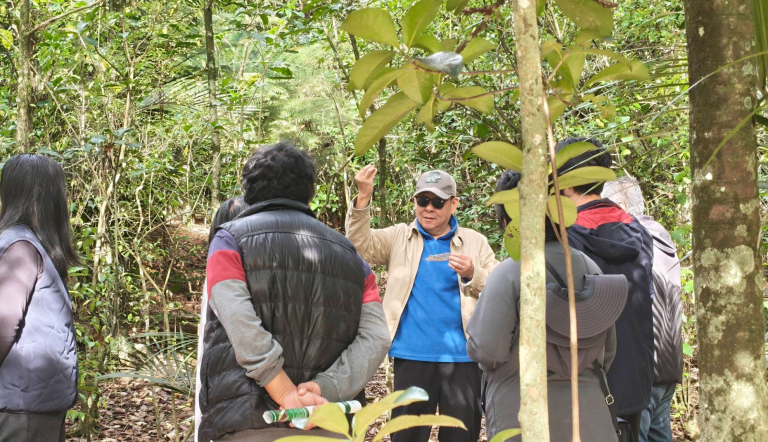
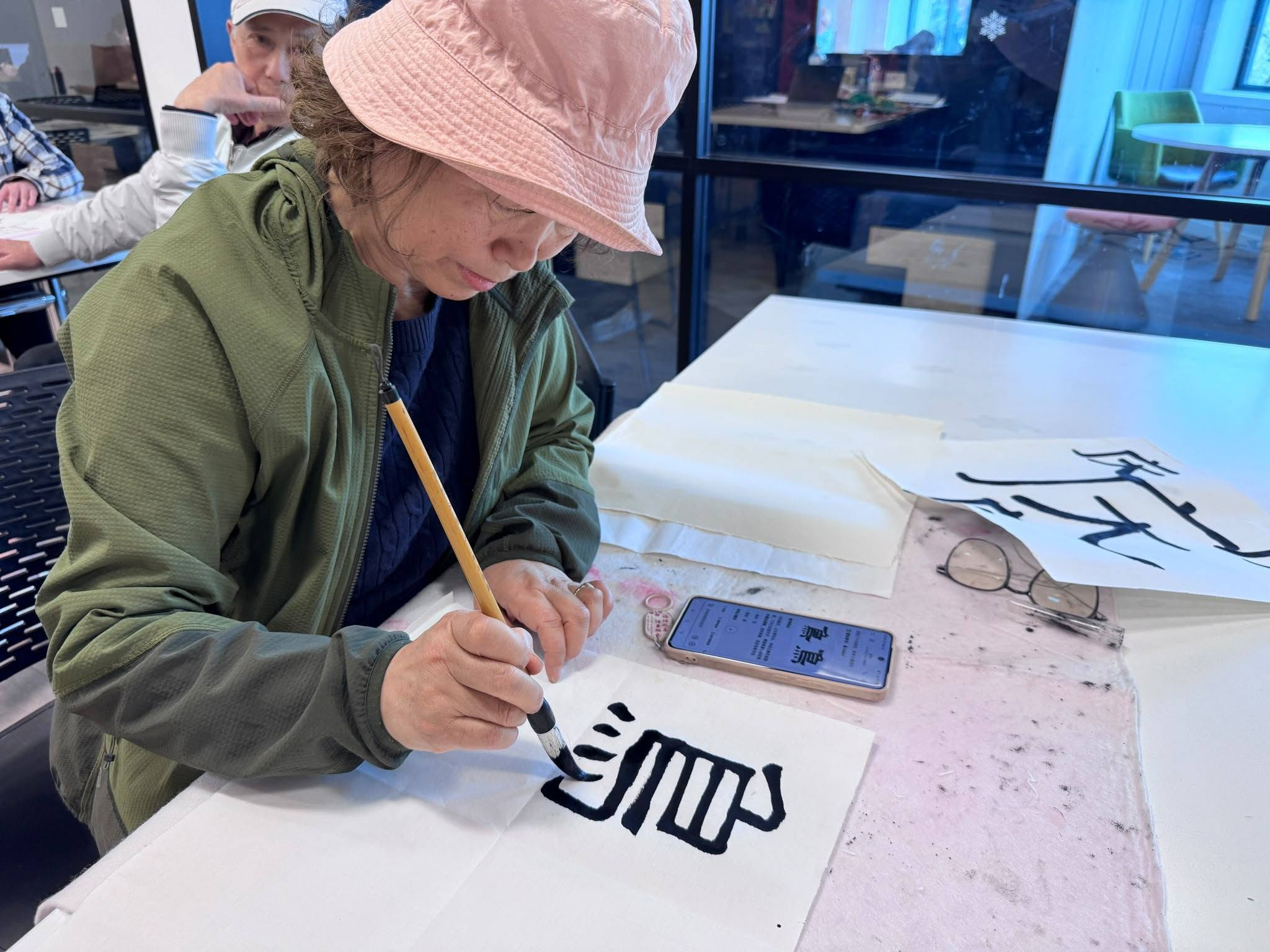
On 26 September, Botany Library welcomed the first “A Universe in Chinese Characters” calligraphy workshop, co-hosted with Eastern Tourism Association. The event continued the “A Universe in Chinese Characters” Chinese culture series previously presented at Pakuranga Library and Highland Park Library.
But this was not simply a calligraphy class.
Through Chinese characters, participants were invited to look more closely at the natural world around them — and to consider how the wisdom of ancient Chinese observers might help us understand our place in New Zealand’s changing ecosystems today.
Chinese characters begin with observation
For this workshop, we began with something familiar to everyone: birds.
If the character 鸟 represents a bird, why did ancient Chinese also create the character 隹?
What was different about the birds they were observing?
This question opened a fascinating discussion about how language can preserve observations of nature made thousands of years ago. Characters such as 鹬 and 鸵 are not simply combinations of strokes; they contain clues about how people classified and described birds.
The discussion then moved from ancient China to Aotearoa New Zealand.
What is a kiwi bird? How would someone encountering a kiwi bird for the first time describe it? What can we learn when we look carefully at the birds that live around us today?
For many participants, the exercise became a reminder that learning about nature begins with learning to notice.
What can a Chinese brush teach us about ecology?
The connection between calligraphy and nature became even more tangible when we looked at the traditional materials used to make a Chinese writing brush.
Animal hair has traditionally been used for different types of brushes, while bamboo has long been an important material for brush handles and other traditional objects.
This led to a surprising ecological question:
The same material can have a very different meaning when it enters a different ecosystem.
In traditional Chinese culture, bamboo has been deeply embedded in everyday life and is celebrated in literature, painting and philosophy. In New Zealand, however, some introduced bamboo species can behave very differently from the bamboo familiar to people in China and may become environmental weeds.
Similarly, animals that occupy one ecological role in China can have a completely different role after being introduced to New Zealand.
The discussion of weasels (黄鼠狼), for example, provided an opportunity to explore this difference. In the Chinese cultural context, we can encounter the animal through traditional knowledge and even through the history of brush-making. But New Zealand has its own ecological history, and introduced mustelids such as stoats and weasels have become significant predators of native wildlife.
The beautiful birds we had just spent time learning about are part of the same story.
From Mid-Autumn wisdom to Aotearoa
The workshop also coincided with the period around Mid-Autumn Festival, providing another opportunity to explore how traditional Chinese wisdom relates to place and environment.
A familiar Chinese saying goes:
“八月十五云遮月,正月十五雪打灯。”
The saying connects the appearance of the sky around Mid-Autumn Festival and Lantern Festival with observations about weather and seasonal conditions.
For generations, such sayings were rooted in people's close attention to the natural world. Before modern weather forecasting, people watched the moon, clouds, snow, wind and seasonal changes because these observations mattered to everyday life.
But when Chinese communities live in New Zealand, an important question emerges:
Do the same observations, sayings and assumptions still apply when the ecosystem and climate around us are different?
The answer is not simply to abandon traditional wisdom, nor to apply it unchanged.
Instead, perhaps the deeper wisdom is to keep observing.
The environment changes. The species around us change. The seasons are experienced differently in different places. Our cultural knowledge can travel with us, but our observations must continue where we are.
Cultural heritage can become ecological learning
This is what made the workshop particularly meaningful.
The purpose of “A Universe in Chinese Characters” is not simply to teach Chinese language or calligraphy. We see Chinese characters as a way of carrying Chinese thought — including the way generations of people observed and understood nature.
For Chinese communities in Aotearoa New Zealand, this creates an opportunity to connect cultural heritage with a new ecological home.
And when we recognise that the ecological roles of species can change dramatically between countries, we are reminded that caring for nature requires both cultural memory and local knowledge.
Understanding how our ancestors observed birds, plants, seasons and landscapes can encourage us to look more carefully at the birds, plants and ecosystems around us today.
From learning about birds to protecting them
The workshop ended with something especially encouraging.
After learning about native birds and the pressures they face from introduced predators, one participant expressed interest in joining our backyard trapping volunteer programme.
It was a small but meaningful step: a cultural conversation about Chinese characters had led to a practical conversation about protecting New Zealand wildlife.
Perhaps this is one of the most valuable forms of cultural exchange.
We do not need to leave our cultural heritage behind when we move to a new environment. Instead, we can bring our stories, language and traditional knowledge with us — and allow them to begin a new conversation with the land, species and ecosystems around us.
This Mid-Autumn season, “A Universe in Chinese Characters” reminded us that wisdom is not only something we inherit.
It is something we continue to practise: by observing, questioning, adapting and caring for the world around us.
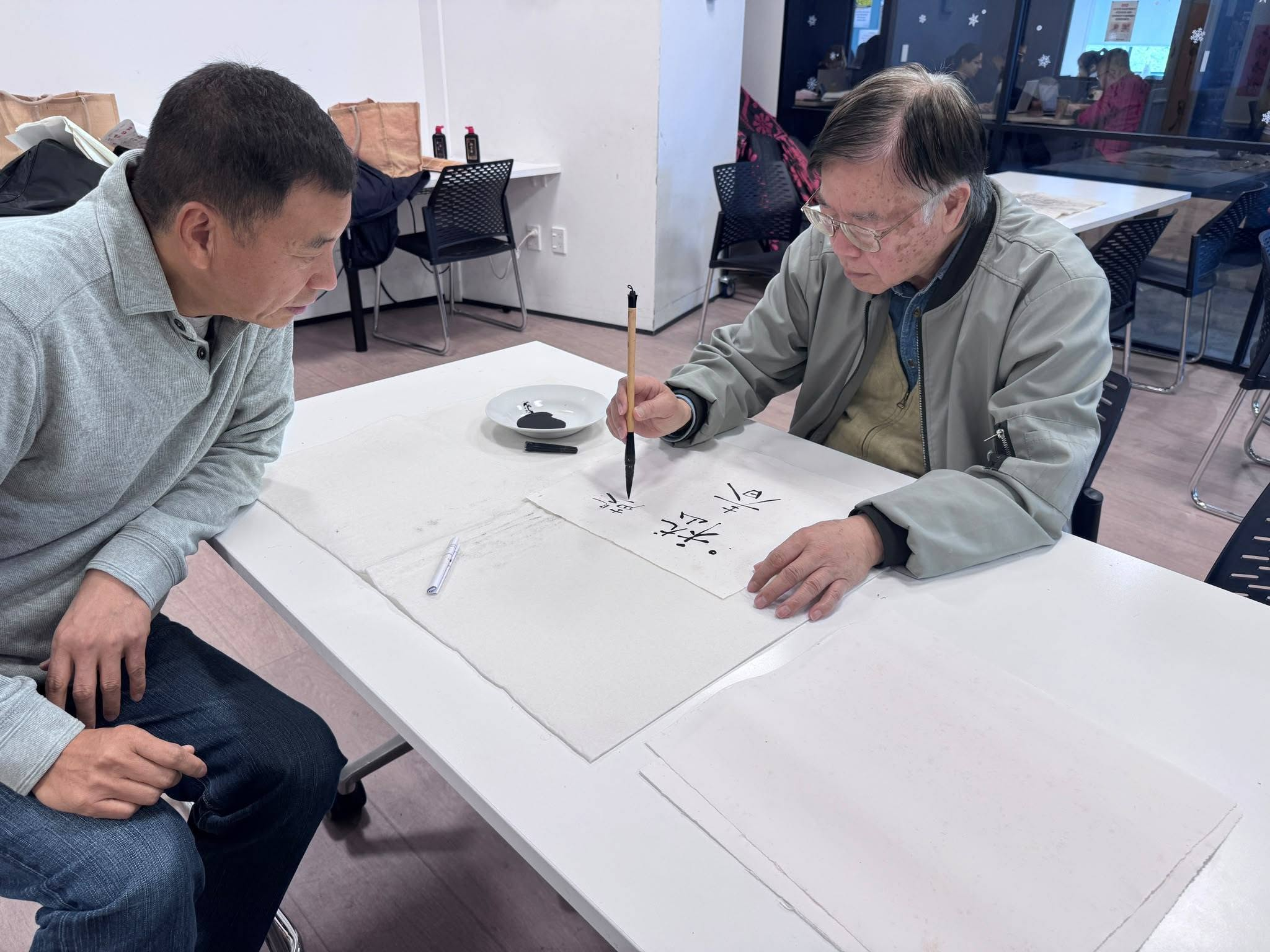
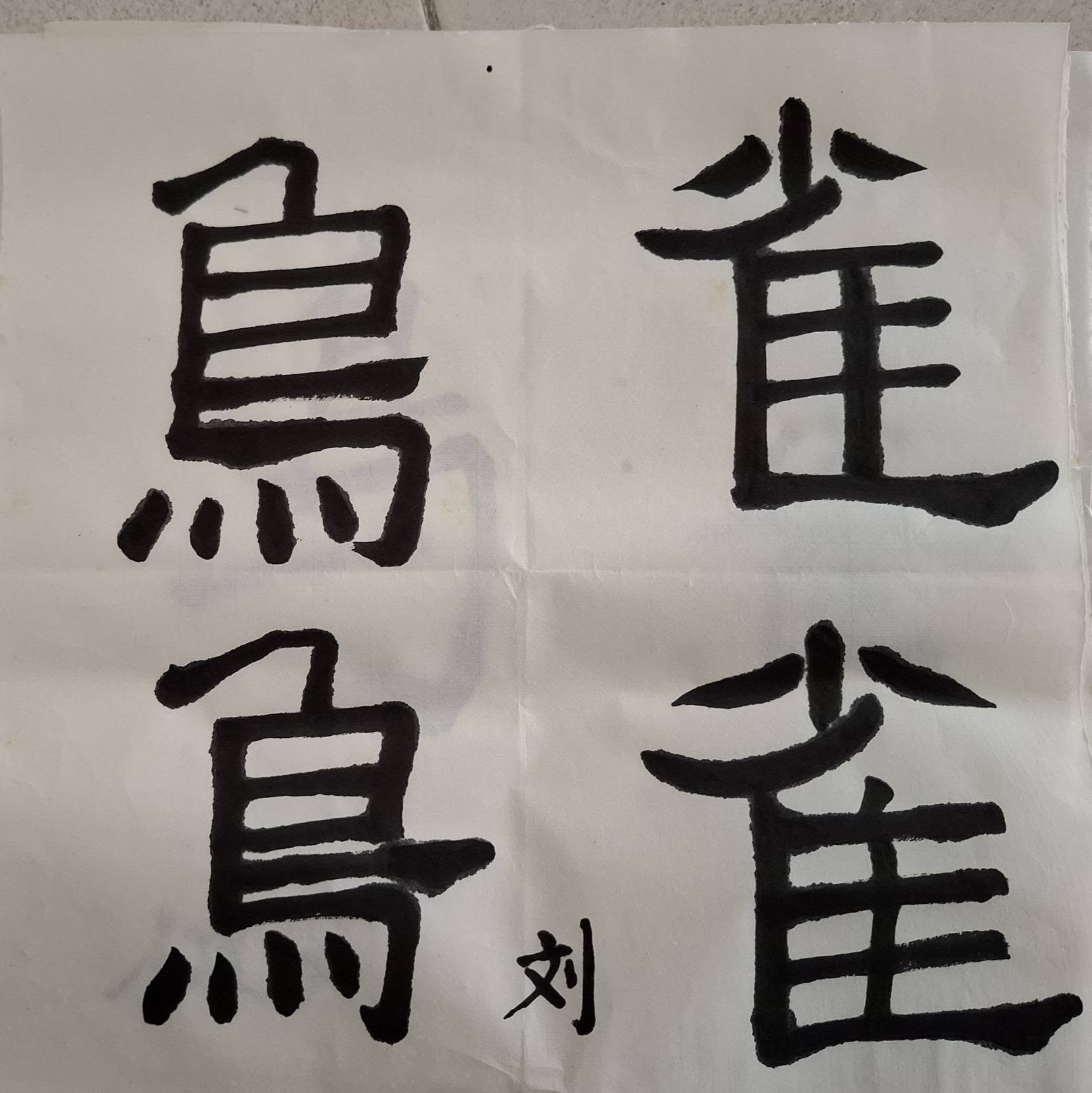
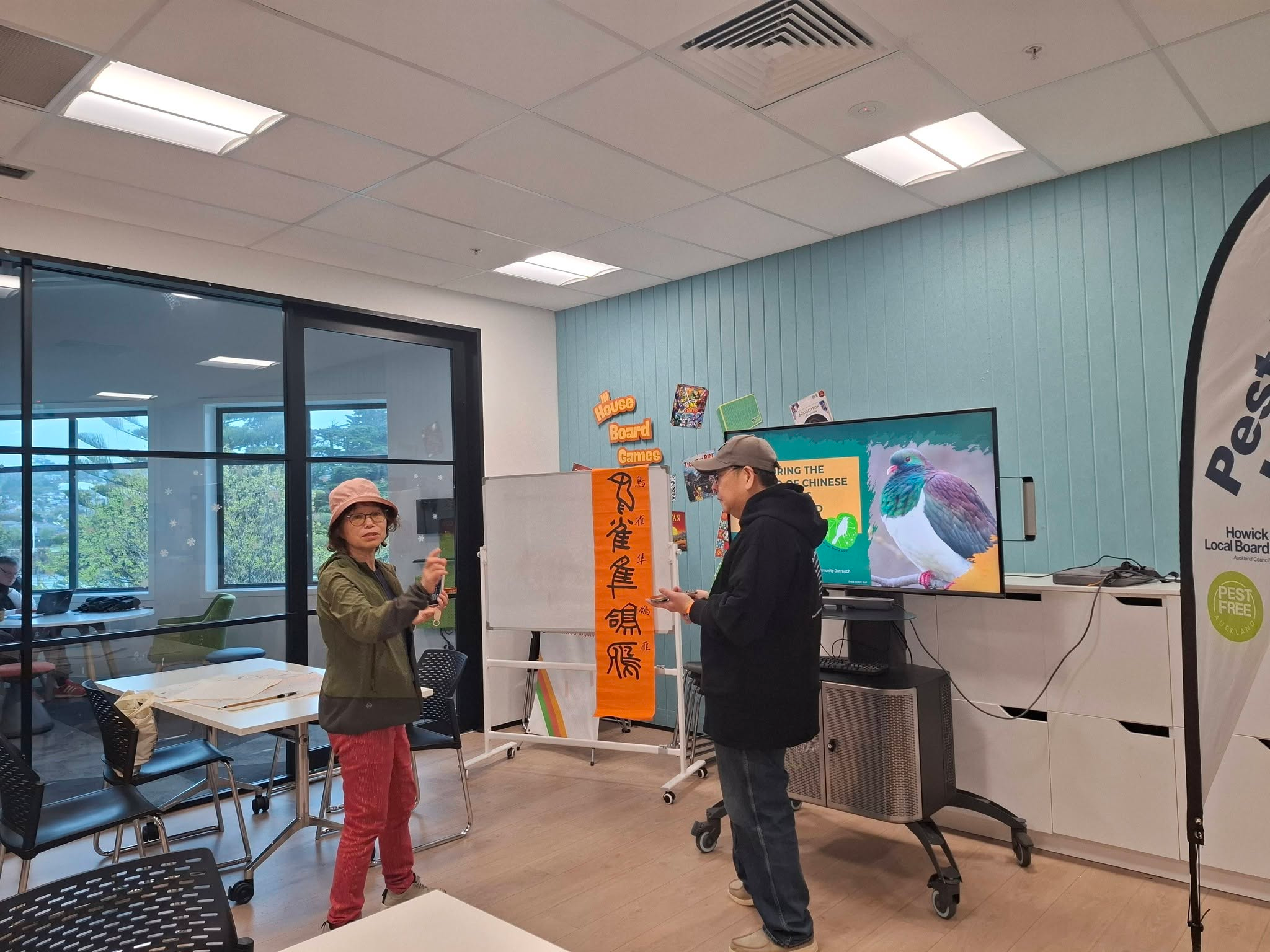
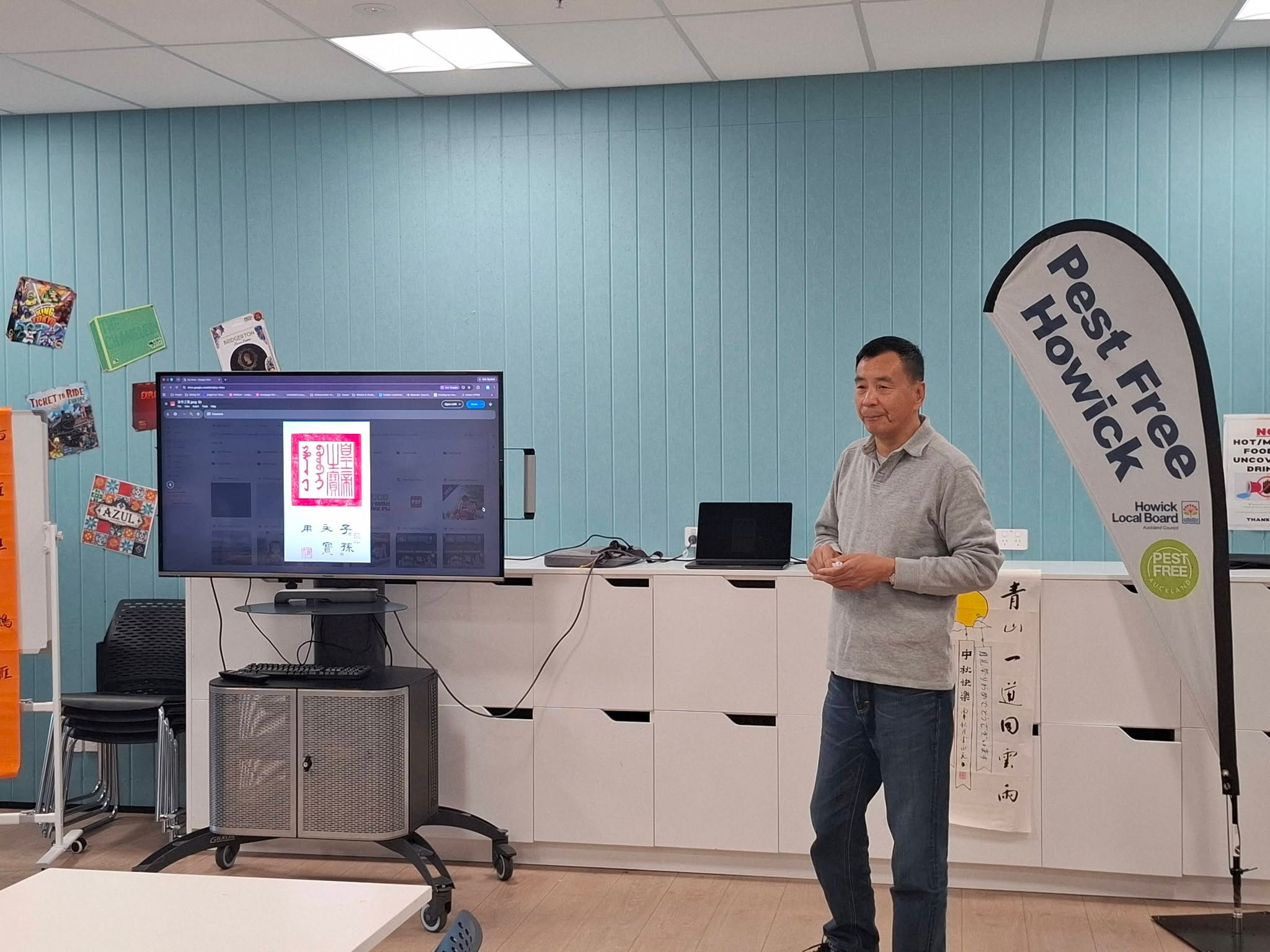
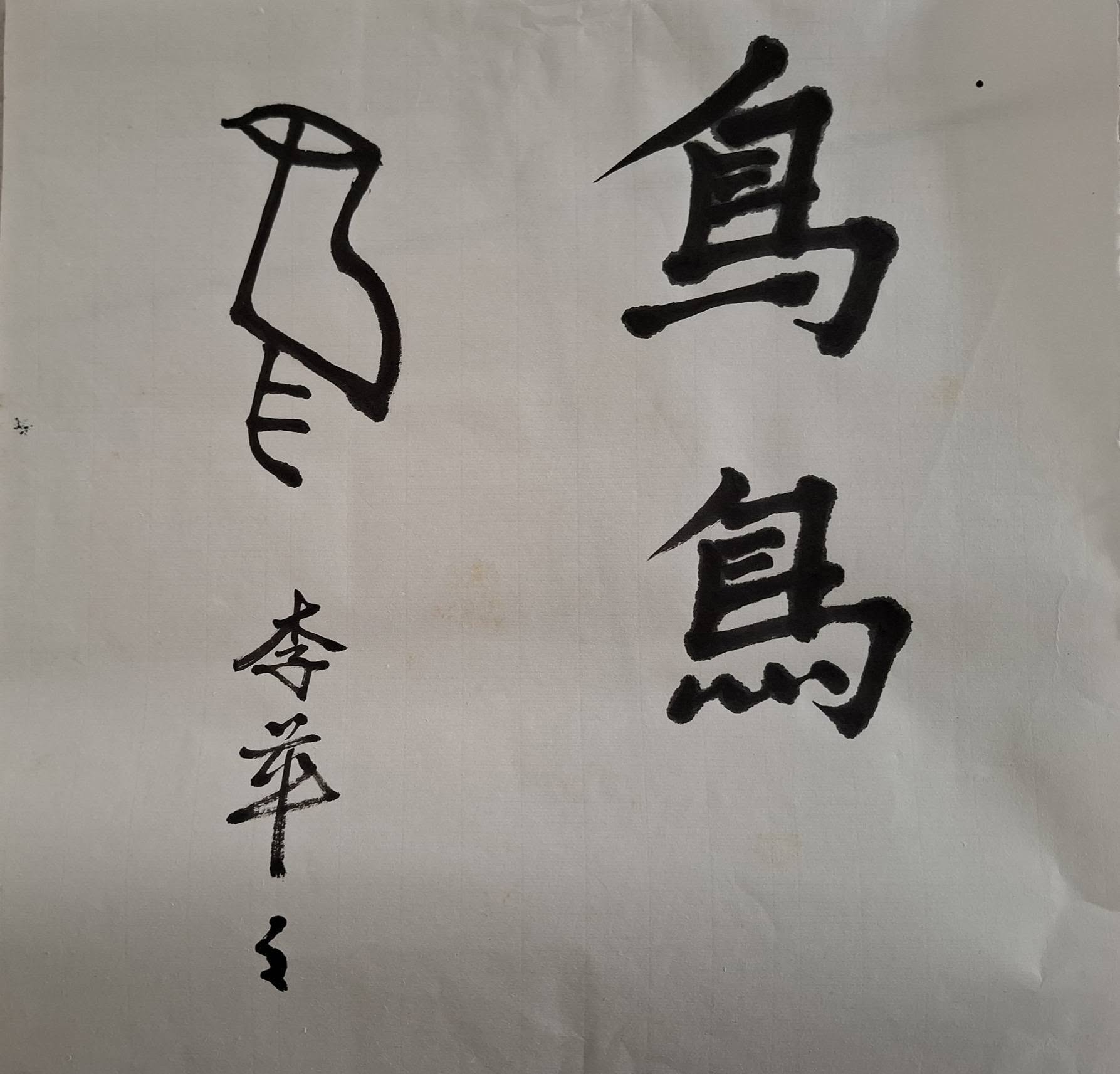
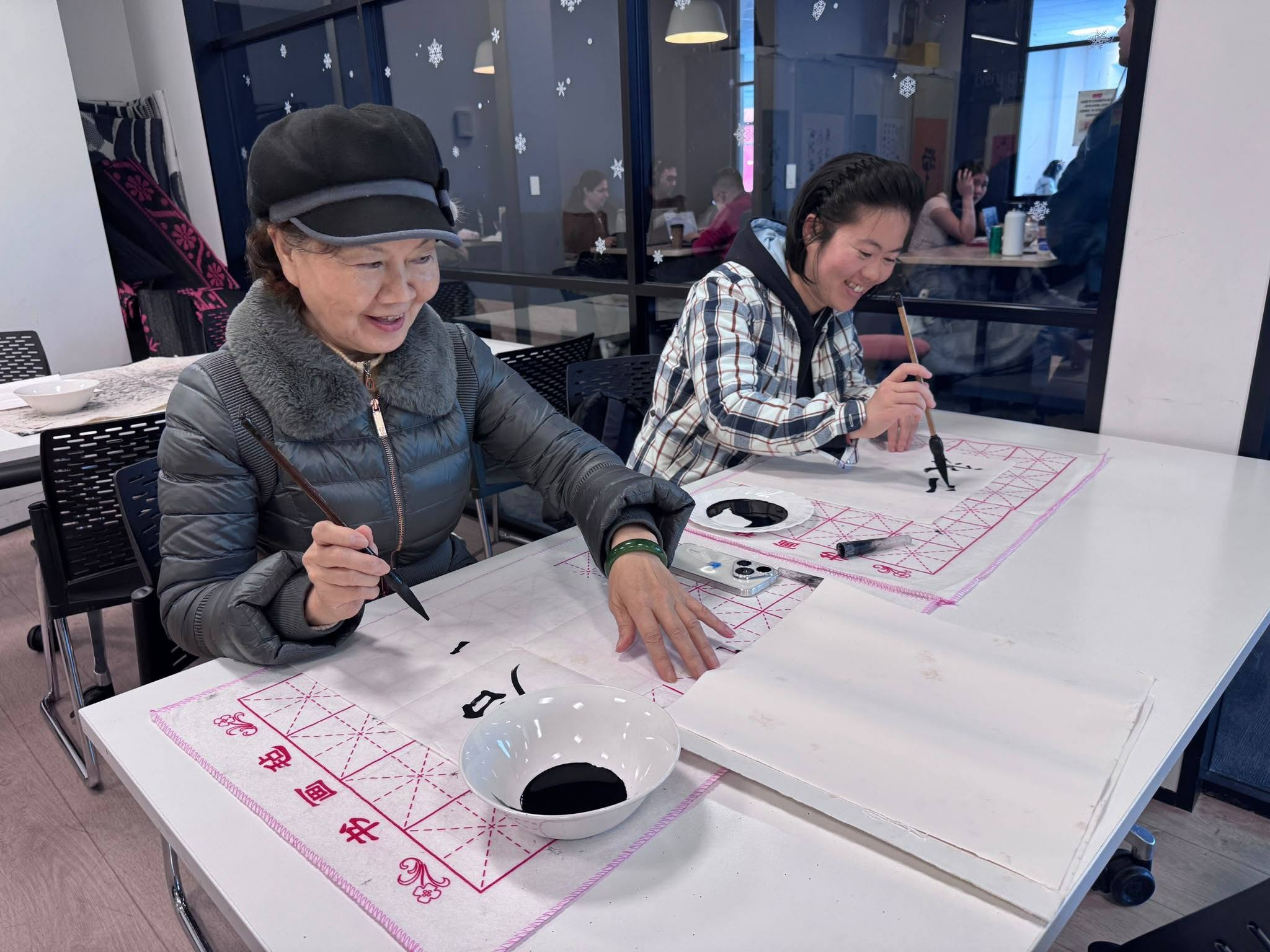
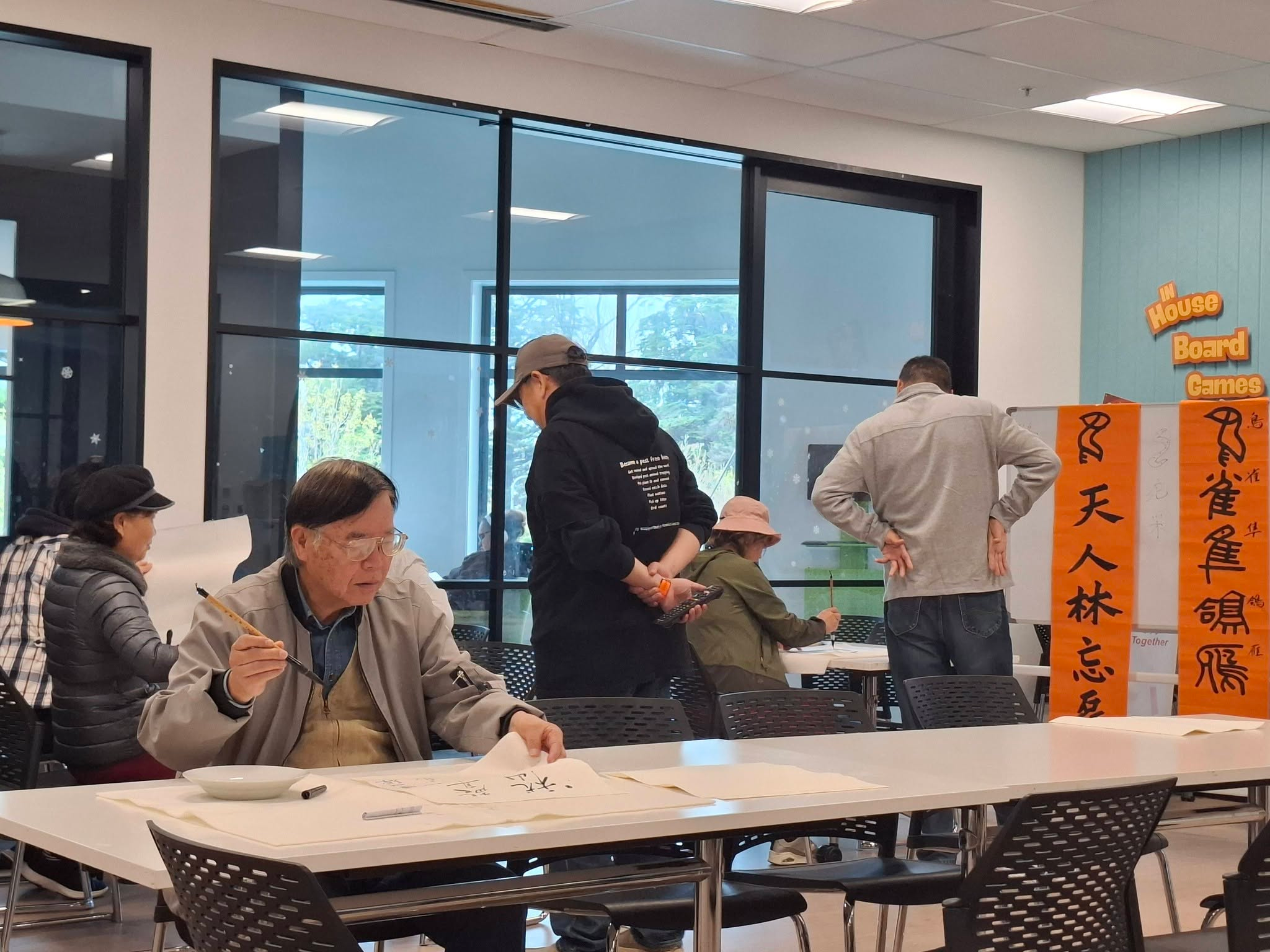
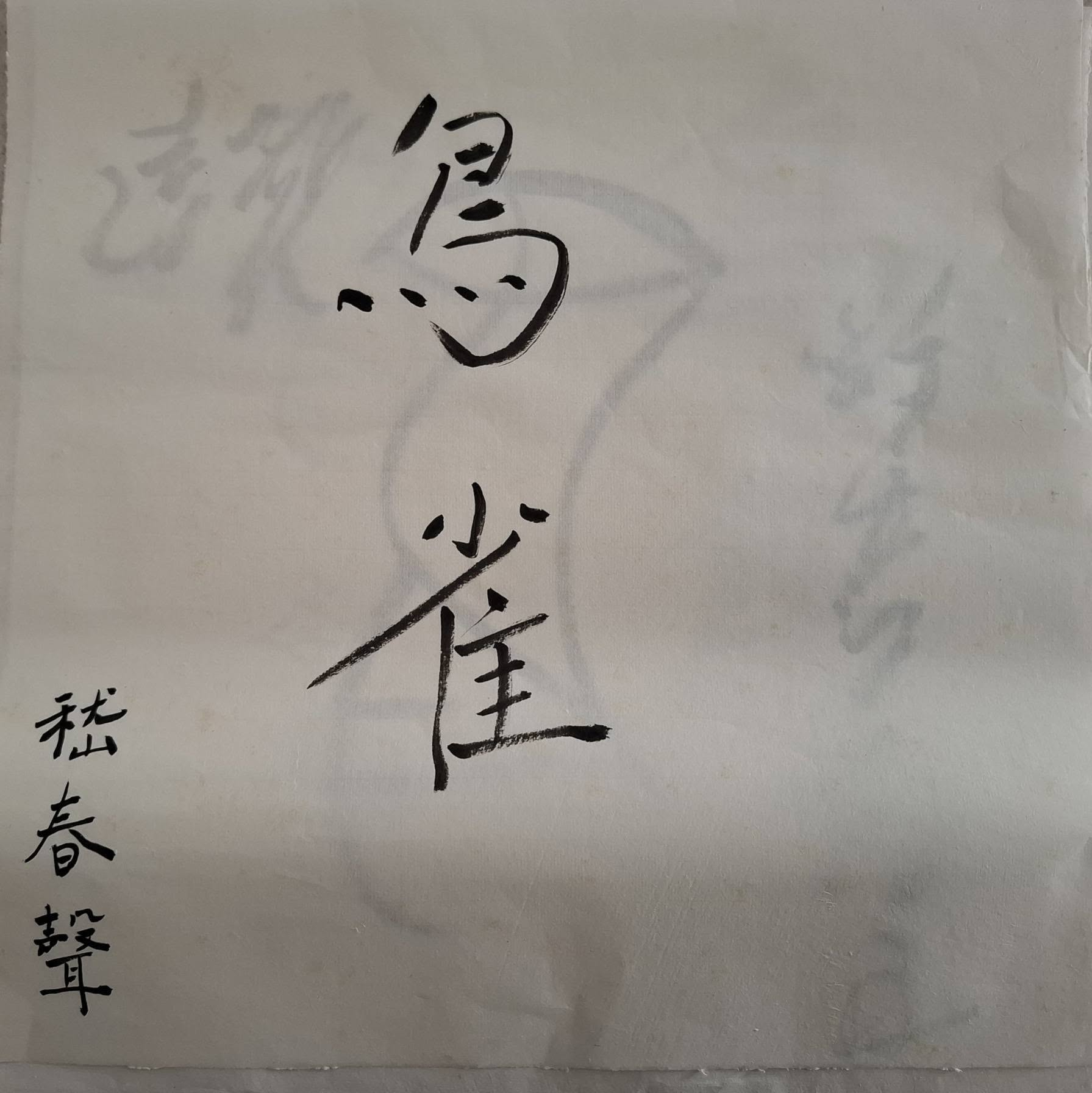
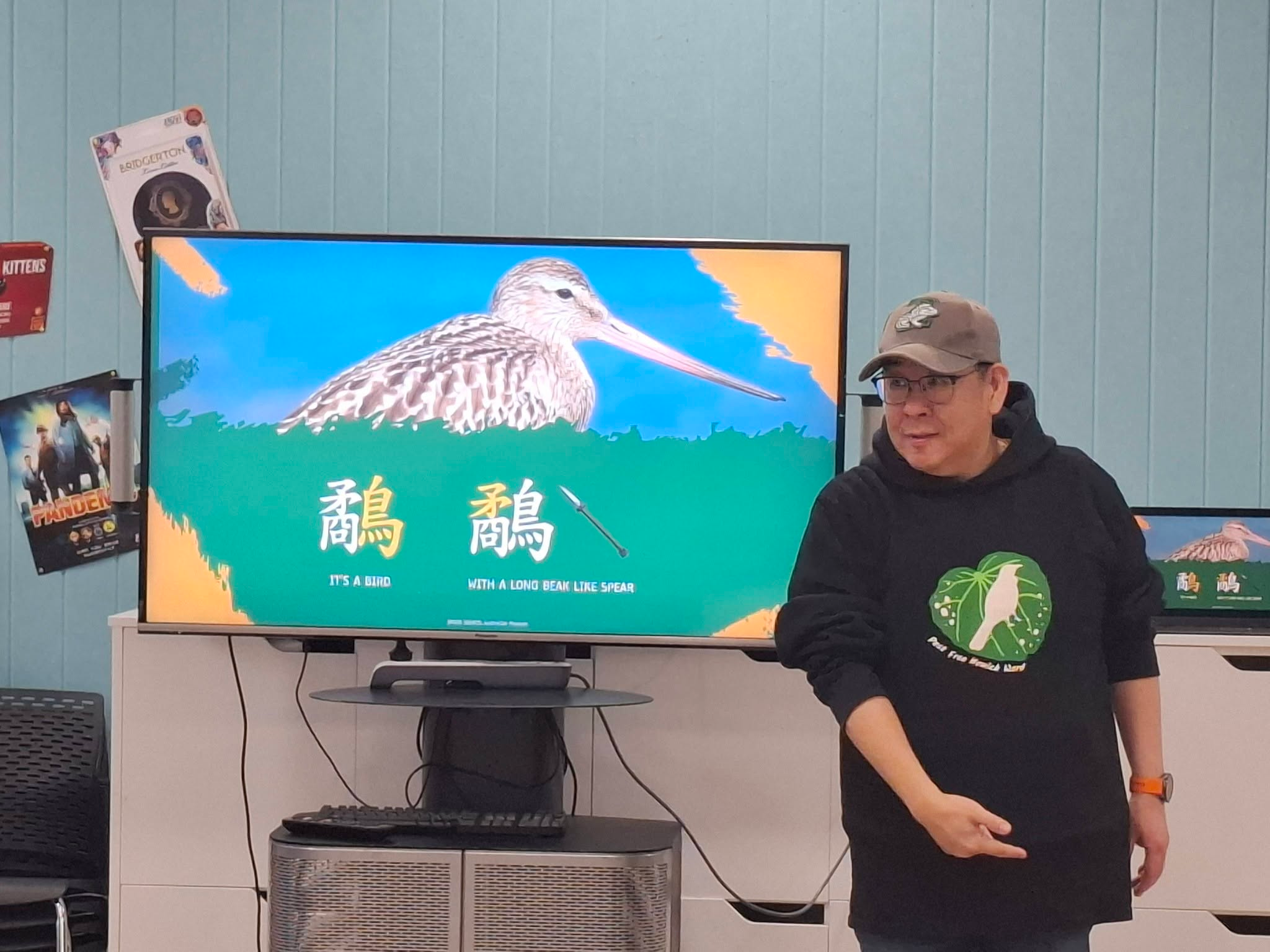
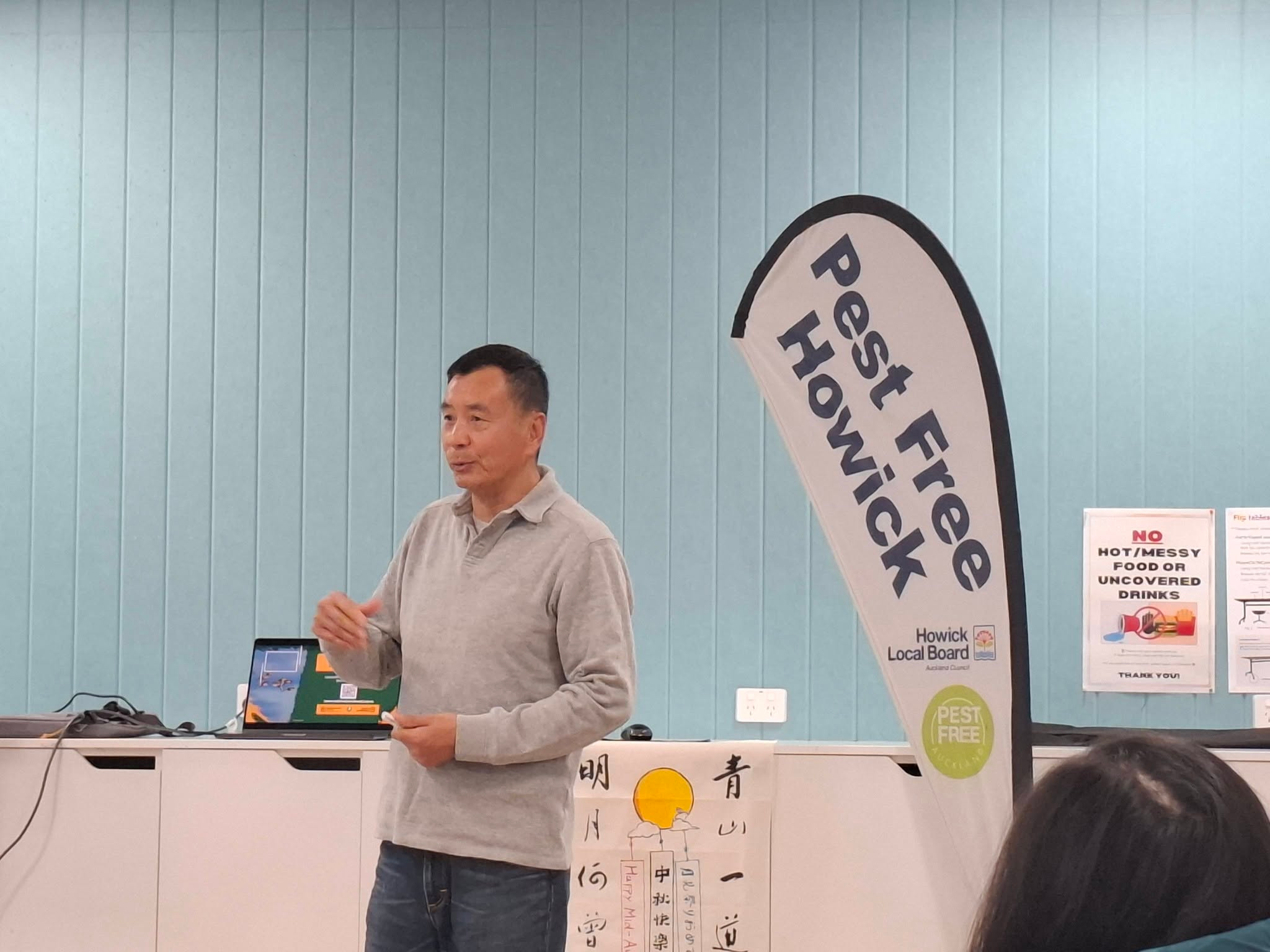
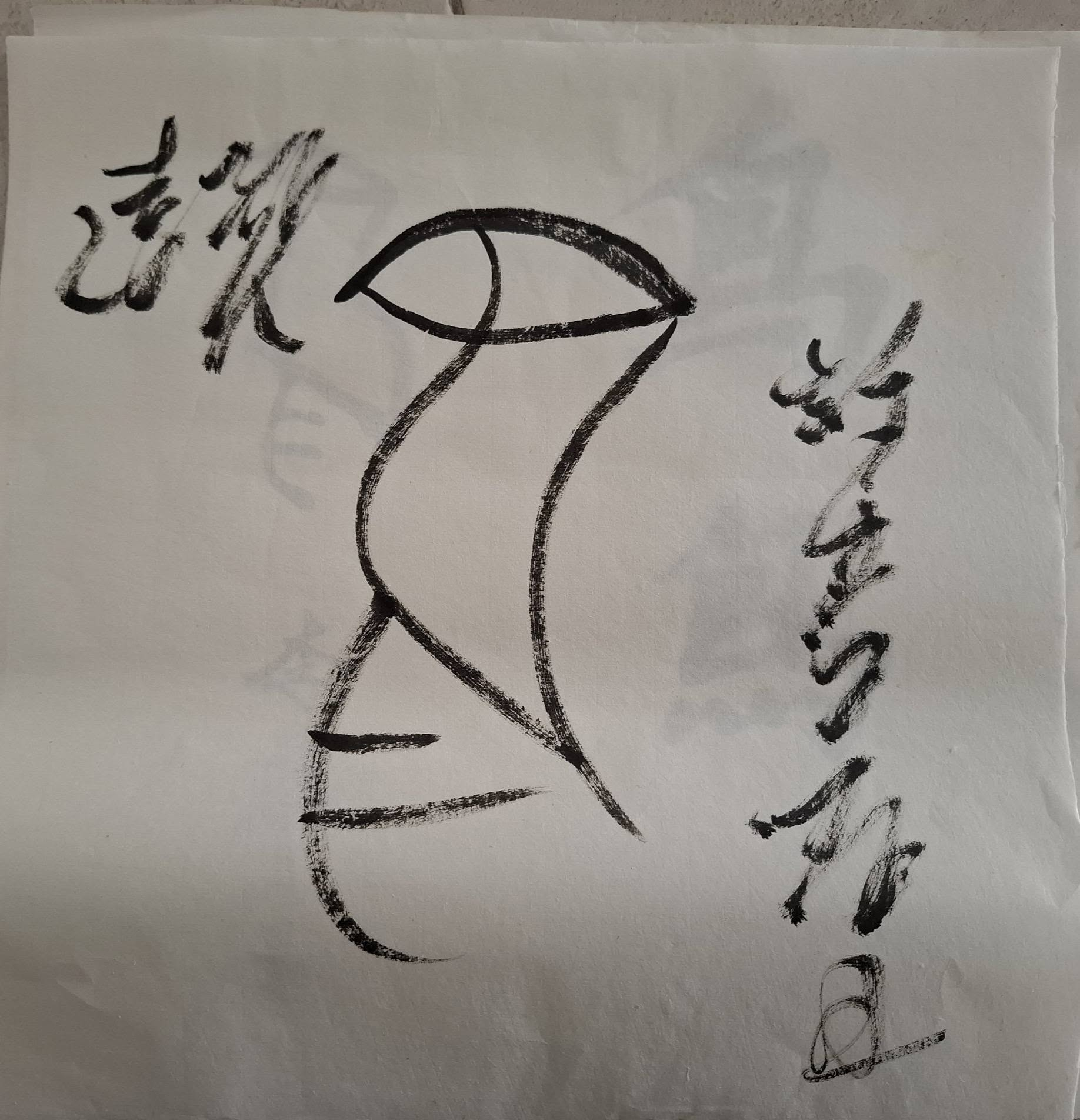
Photo Credit for the images goes to Diana Borse.